
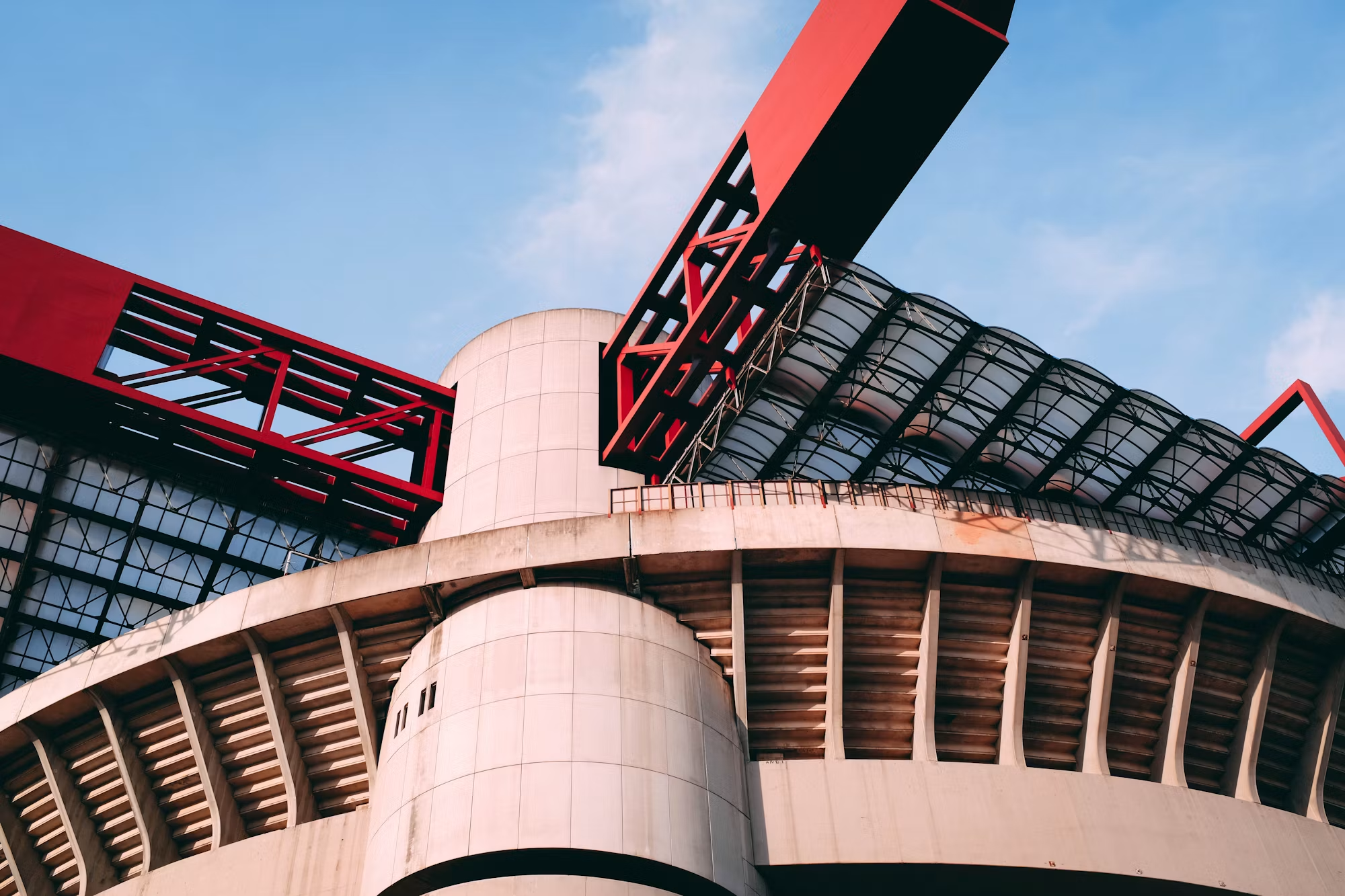
Sports stadiums are more than just venues for athletic competition; they are economic powerhouses that can significantly impact local communities. Their presence often leads to job creation, tourism growth, and urban development, making them vital components of a city’s economic landscape. This article delves into the various ways sports stadiums serve as catalysts for local development, examining their benefits, challenges, and future implications.
The Role of Sports Stadiums in Local Economies
Job Creation
One of the most immediate economic benefits of a sports stadium is job creation. From construction jobs during the building phase to ongoing positions in maintenance, management, and event staffing, stadiums provide a variety of employment opportunities. According to studies, a new sports facility can create thousands of jobs, both directly and indirectly, by stimulating related industries such as hospitality, transportation, and retail.
For instance, the construction of the new Los Angeles Stadium at Hollywood Park, which serves as the home for the NFL’s Los Angeles Rams and Chargers, generated thousands of construction jobs and continues to support numerous jobs in the hospitality sector, as fans flock to the area for events. These jobs contribute significantly to the local economy and can provide stable employment opportunities for residents.
Increased Tourism
Sports stadiums also attract tourists, leading to increased spending in the local area. Fans travel from various regions to attend games, concerts, and other events, often spending money on accommodations, dining, and entertainment. Cities that host major sports events, such as the Super Bowl or the FIFA World Cup, often experience a substantial economic boost from this influx of visitors.
For example, when the Super Bowl was hosted in Minneapolis in 2018, it was estimated that the event generated over $300 million in economic impact for the local economy, highlighting how a single sporting event can significantly enhance tourism revenues. This influx not only benefits hotels and restaurants but also encourages further investment in the area, contributing to a cycle of economic growth.
Urban Development and Revitalization
Infrastructure Improvements
The development of sports stadiums often leads to improvements in local infrastructure, including transportation and public services. Cities invest in upgrading roads, public transport, and utilities to accommodate increased traffic and ensure a positive experience for visitors. These enhancements benefit not only sports fans but also residents, leading to better overall quality of life.
Additionally, new stadiums frequently spur the revitalization of surrounding areas. By attracting attention and investment, stadiums can lead to the development of new retail spaces, restaurants, and entertainment venues, transforming underdeveloped neighborhoods into vibrant communities. The development of the National Harbor near Washington, D.C., is a prime example, where the construction of the MGM National Harbor hotel and casino revitalized the waterfront area and attracted visitors year-round.
Mixed-Use Developments
Modern sports facilities often incorporate mixed-use developments that include residential, commercial, and recreational spaces. These developments create a more integrated community where fans can enjoy a variety of experiences beyond just attending a game. By fostering a lively atmosphere around the stadium, cities can enhance local culture and provide new opportunities for businesses.
A notable example is the area surrounding the Atlanta Braves’ Truist Park, where the adjacent Battery Atlanta development offers a combination of shopping, dining, and entertainment options. This approach not only increases the stadium’s appeal but also ensures sustained economic activity throughout the year, regardless of the sports season.
Challenges and Considerations
Public Funding and Investment
Despite their economic benefits, the construction and operation of sports stadiums often come with significant financial challenges. Many stadiums are funded in part through public money, which can lead to controversy. Critics argue that funds allocated to stadium construction could be better spent on education, healthcare, or other critical community needs.
Proponents, however, argue that the long-term economic benefits, including job creation and increased tax revenues, justify the investment. Cities must carefully assess the potential return on investment and engage in transparent discussions with residents to gauge community support and address concerns regarding public funding.
Seasonal Demand and Economic Stability
Another challenge facing sports stadiums is the seasonal nature of sports. Many stadiums experience fluctuations in attendance based on the sports calendar, leading to periods of high economic activity followed by lulls. Cities must consider strategies to ensure year-round engagement and avoid over-reliance on seasonal events for economic stability.
To mitigate this, many stadiums have adopted multi-purpose designs that allow them to host a variety of events, from concerts to festivals, ensuring that the venue remains active and contributes to the local economy throughout the year. This adaptability is crucial for maximizing the economic potential of sports facilities.
The Future of Sports Stadiums and Their Economic Impact
Embracing Innovation
As technology continues to advance, the future of sports stadiums will likely see further innovations that enhance their economic impact. Smart stadiums equipped with cutting-edge technology can improve fan experiences and operational efficiencies. Innovations such as cashless payment systems, mobile ordering, and enhanced connectivity allow stadiums to streamline operations, improve service delivery, and increase revenue.
Sustainability Practices
Additionally, the focus on sustainability is reshaping how sports stadiums are designed and operated. By incorporating eco-friendly practices and materials, stadiums can reduce their environmental impact while also appealing to a growing demographic of environmentally conscious consumers. Sustainable practices can also lead to cost savings in the long term, making them financially viable for communities.
For example, the Chase Center in San Francisco, home to the Golden State Warriors, has been designed with sustainability in mind, featuring energy-efficient systems and a commitment to reducing waste. Such initiatives not only enhance the stadium’s reputation but also attract visitors who value sustainability, further driving economic growth.
Conclusion
Sports stadiums play a crucial role in the economic vitality of local communities, providing numerous benefits ranging from job creation to tourism and urban revitalization. While they present certain challenges, their potential for economic impact is significant. By embracing innovation, sustainability, and community engagement, sports stadiums can continue to serve as catalysts for local development, fostering vibrant economies and enhancing the quality of life for residents. As cities and teams work together to maximize these benefits, the future of sports stadiums looks promising, with the potential to transform not just the landscape of sports but also the communities that host them.